Planning a 1 week in Italy itinerary is mostly about choosing what not to do. Italy is packed with famous cities, coastlines and countryside, but in seven days you’ll enjoy it far more if you pick one clear route and keep transfers to a minimum.
Below are six practical 7 day Italy itinerary options, each with a suggested base (where to sleep), nights per stop, realistic transit notes, and easy swaps for weather, crowds, budgets, families, or a slower pace. Use them as plug-and-play plans rather than a rigid script.
How To Choose The Right 7-Day Italy Itinerary
A good Italy itinerary 7 days long has one main “spine”: either a train-based city route (easy and fast), a countryside base (more relaxed but needs a car), or an island/coast focus (more seasonal). For first-time visitors, the most popular pattern is Rome + Florence, sometimes adding Venice as a third stop, but it can feel rushed if you cram too much into each day.
Before you decide, sanity-check three things: your arrival/departure airports, how many times you’re willing to pack and unpack, and whether you’re travelling in peak summer. In July and August, heat and queues can make a tightly-timed plan exhausting; in winter, coastal and mountain routes need more flexibility.
As a pacing rule, try to keep to one big intercity transfer every two to three days, and avoid day trips that are technically possible but steal most of the day in transit. Open-jaw flights (into one city, out of another) are often the simplest way to reduce backtracking on a one week Italy trip itinerary.
- Best for first-timers: 2–3 bases max, mostly by train
- Best for repeat visitors: 1–2 bases with deeper day trips
- Best for shoulder season: cities + countryside, fewer beach days
- Best for summer: start early, plan shade breaks, and book timed entry
- Most time-efficient: open-jaw flights and central accommodation near stations
- Least stressful: build one buffer evening per transfer day
A Week In Italy Can Feel Frantic—By Design
Quick Planning Basics: Trains, Bases, Booking, Seasons
For most travellers, an Italy itinerary by train for 7 days is the easiest approach. High-speed trains connect the big city pairs used in classic routes (Rome–Florence, Florence–Venice, Rome–Naples) with frequent departures. Aim to stay in the historic centre or within a short walk/ride of the main station, so you don’t burn hours commuting each day.
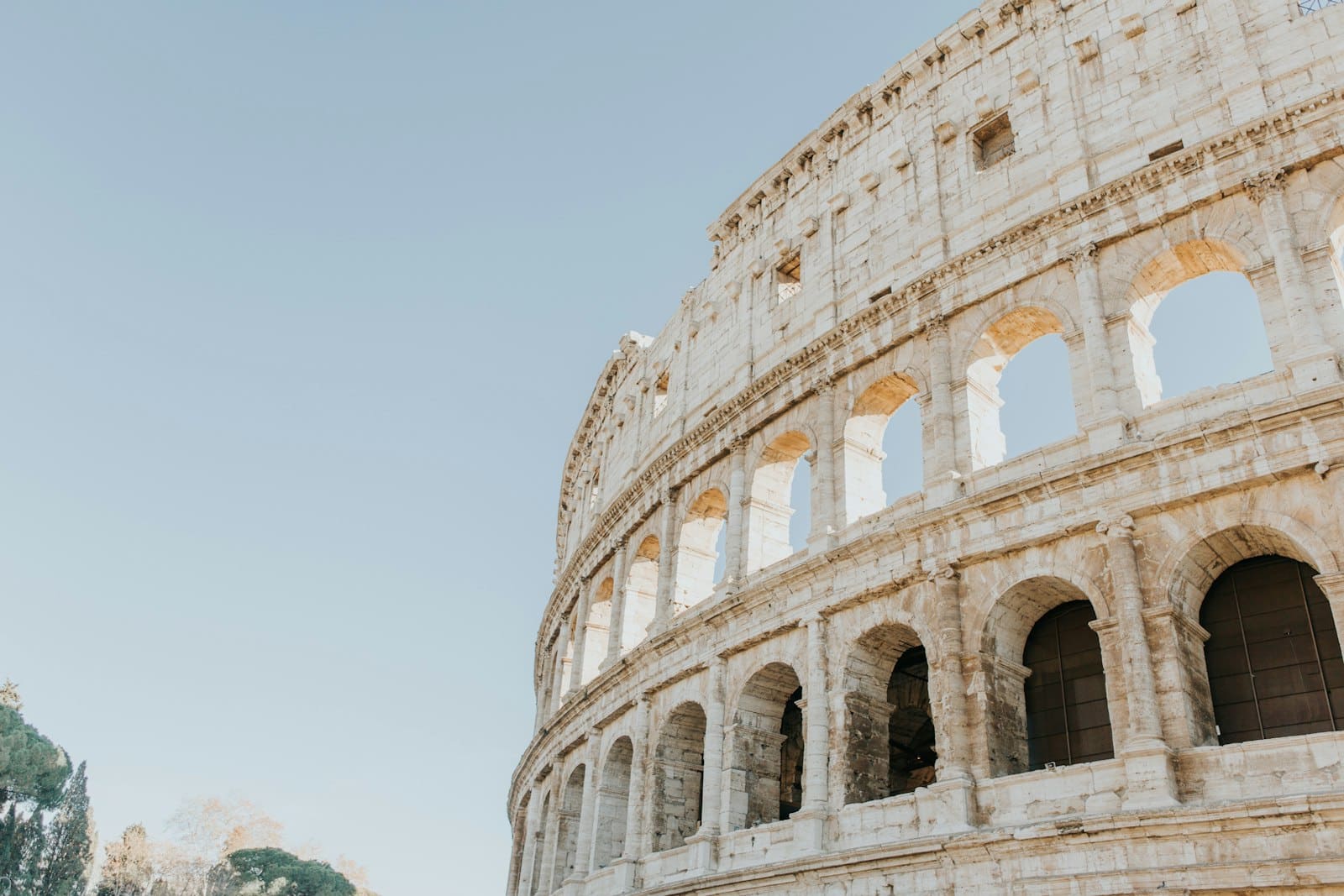
Book timed-entry sights as soon as you have dates. In practice, the Colosseum/Forum and Vatican Museums in Rome, and the Uffizi or Accademia in Florence, are the ones most likely to sell out at convenient times. For intercity travel, you’ll usually want seat reservations on high-speed services; the cheapest fares often appear earlier, but flexibility is worth paying for if plans are likely to change.
Season-wise, April–May and September–October are often the sweet spot for a 7 day Italy itinerary: long days, manageable heat, and fewer crowds than midsummer. In winter, the big cities still work well (and can be excellent value), while coastal routes like the Amalfi Coast are quieter and some services run less frequently.
- Stay central to cut daily travel time
- Plan one transfer day every 2–3 days
- Reserve headline sights with timed entry
- Keep evenings free for neighbourhood wandering
- Use open-jaw flights to avoid backtracking
Itinerary 1: Classic Highlights (Rome–Florence–Venice)
If you want the best places to visit in Italy in 7 days with minimal debate, this is the classic: ancient Rome, Renaissance Florence, and canal-side Venice. It’s a strong 1 week in Italy itinerary for first time visitors, but it works best when you accept that you’re getting a highlights sampler, not an exhaustive deep dive.
Bases and nights: Rome (3 nights), Florence (2 nights), Venice (2 nights). Transit is straightforward by high-speed train; keep your sightseeing clustered by neighbourhood, and treat transfer days as lighter days with one key booking each.
Day-by-day plan: Day 1 arrive Rome and do a gentle walk (Pantheon area, Piazza Navona, Trevi) plus an early night. Day 2 Ancient Rome (Colosseum/Forum/Palatine timed entry; Capitoline viewpoint). Day 3 Vatican (Vatican Museums and St Peter’s; Trastevere evening). Day 4 train to Florence (about 1h30); Duomo area, sunset at Piazzale Michelangelo. Day 5 Florence art and food (Uffizi or Accademia; Oltrarno). Day 6 train to Venice (about 2 hours); Rialto and a first gondola-free canal walk. Day 7 Venice islands (Murano/Burano) or a slower day of neighbourhood wandering before departure.
- Transit notes: Rome Termini ↔ Firenze S. M. Novella ↔ Venezia S. Lucia are the simplest station-to-station route
- Base strategy: choose one hotel per city in the centre; Venice’s steps and bridges make heavy luggage painful
- Must-book early: Colosseum/Forum; Vatican Museums; Uffizi/Accademia; popular evening food tours
- Crowd management: start major sights at opening time; book the earliest slot you can tolerate
- Easy food rhythm: one sit-down lunch, lighter dinner, and gelato breaks rather than long queues
Two-City Alternative (More Relaxed)
Itinerary 2: Southern Italy (Rome + Naples + Amalfi Coast)
This Italy itinerary with Amalfi Coast 7 days long suits travellers who want classic sights plus big scenery. It’s best from late spring to early autumn, when ferries and coastal towns are in full swing. It’s also one of the easiest southern Italy itinerary 7 days options without hiring a car, as long as you accept that the last-mile travel can be slower than the trains.
Bases and nights: Rome (3 nights), Naples or Sorrento (2 nights), Amalfi Coast town (2 nights) or stay all 4 nights in Sorrento to reduce moves. Transit: Rome–Naples by high-speed train (about 1h10–1h20). From Naples to Sorrento is usually by regional train; Amalfi Coast connections are by ferry/bus/taxi depending on season and sea conditions.
Day-by-day plan: Day 1 arrive Rome and keep it light (Campo de’ Fiori to the Pantheon loop). Day 2 Colosseum/Forum plus Monti. Day 3 Vatican morning, then a relaxed afternoon (Villa Borghese gardens or a neighbourhood food tour). Day 4 train to Naples, then on to Sorrento; evening on the waterfront. Day 5 Pompeii or Herculaneum (choose one), with time for Naples pizza if you’re based there. Day 6 move to the Amalfi Coast (Positano/Amalfi/Ravello) and do a short hike or beach afternoon. Day 7 Capri day trip (book boats early in peak season) or a slower Ravello gardens day before departing via Naples.
- This route is not ideal for midwinter beach expectations
- Don’t plan tight ferry connections in rough seas
- Avoid dragging large suitcases through steep coastal streets
- Swap 1 (rainy day): replace Capri with the Naples Archaeological Museum or a cooking class in Sorrento
- Swap 2 (slower pace): keep one base for Days 4–7 in Sorrento and do Amalfi/Positano as day trips by ferry
- Family-friendly tweak: choose Herculaneum over Pompeii for a shorter, often less tiring visit
- Mobility note: Positano and parts of Amalfi involve lots of stairs; pick a flatter base if needed
- Season note: in winter, ferries reduce and the coast is quieter—consider adding more time in Naples instead
Itinerary 3: Tuscany and Umbria (One Base + A Light Road Trip)
If you’ve already seen the big cities, or you want a calmer Italy road trip itinerary 7 days long, base yourself in the countryside and build your week around small towns, markets and long lunches. This plan works especially well in spring and autumn, and it’s one of the easiest ways to make a one week Italy trip itinerary feel restorative rather than rushed.
Bases and nights: either Florence (2 nights) + countryside base (5 nights), or one countryside base for all 7 nights if you don’t mind skipping Florence’s headline museums. You’ll want a car for maximum flexibility; trains are great between cities, but slower for hopping between hill towns.
Day-by-day plan (with a Florence start): Day 1 arrive Florence, settle in, evening walk across the Arno. Day 2 early Accademia (David) or Uffizi, then pick up the car outside the ZTL and drive to a base near Siena, San Gimignano, or Val d’Orcia (5 nights). Day 3 Siena + a winery visit (book tastings). Day 4 Val d’Orcia loop (Pienza, Montepulciano, viewpoint stops). Day 5 Umbria day (Orvieto for the cathedral, or Perugia for chocolate). Day 6 quieter local day: thermal baths, cycling, or a cooking class. Day 7 return car and depart from Florence or Rome depending on flights.
- Swap 1 (no car): base in Florence and do Siena, Pisa/Lucca, and Bologna by train as day trips
- Swap 2 (wine focus): spend two days in Chianti and keep one day entirely free for a long lunch and village stroll
- Practical driving tip: avoid city centres and ZTL zones; choose accommodation with parking
- Budget lever: agriturismi can offer better value than city hotels, especially outside peak weekends
- Best for couples: build in one ‘no plans’ afternoon for a spa, tasting, or sunset picnic
Itinerary 4: Northern Italy (Milan + Lake Como + Dolomites)
This northern Italy itinerary 7 days plan is for travellers who want stylish cities, lake views and mountain scenery in one week. It’s more weather-dependent than a city-only route, but it’s brilliant in late spring, summer, and early autumn. It also suits repeat visitors who don’t need Rome on every trip.
Bases and nights: Milan (2 nights), Lake Como (2 nights), Dolomites base such as Ortisei or Cortina area (3 nights). You can do it by a mix of train + bus, but it’s simpler with a car once you leave the lake for the mountains. Transit guide: Milan to Lake Como towns can be around 40–60 minutes by train depending on where you stay; getting from the lake to the Dolomites typically takes several hours, so treat it as a dedicated transfer day.
Day-by-day plan: Day 1 arrive Milan, Duomo rooftop and an easy aperitivo evening. Day 2 Milan museums or a day trip to Bergamo (upper town) if you want a quieter feel. Day 3 move to Lake Como, lakeside promenade and a ferry hop. Day 4 Bellagio/Varenna-style villages, villa gardens, and an early dinner. Day 5 travel to the Dolomites, settle into your base. Day 6 mountain day: cable car viewpoints, easy walk, or a longer hike if you’re fit. Day 7 choose a second Dolomites day for a different valley or a scenic drive, then depart via a major airport city.
- Great choice if you want scenery without long museum days
- Easy to adjust pace by adding/resting on lake days
- Works well with open-jaw flights via Milan and Venice
- Swap 1 (no car): replace the Dolomites with Verona + Lake Garda for easier rail connections
- Swap 2 (shoulder season): prioritise the lake and cities; keep mountain plans flexible for weather
- Family-friendly tweak: pick short, lift-assisted walks and playground-friendly lake towns
- Packing note: bring layers even in summer; evenings can be cool in the mountains
- Avoiding crowds: stay in a smaller lake town and day-trip to the famous photo spots
Itinerary 5: Sicily In A Week (Palermo + East Coast)
Sicily is ideal when you’d rather go deep in one region than race across the mainland. This is an Italy travel itinerary 1 week long that feels varied—markets, ancient sites, beaches, and big landscapes—without the constant packing. It’s strongest from late spring to early summer and in September, when the sea is warm but the crowds are often lighter than August.
Bases and nights: Palermo (2 nights), Catania or Taormina area (3 nights), Siracusa/Ortigia (2 nights). A car helps for day trips (especially for Etna and smaller beaches), but you can cover a lot with guided excursions and regional trains if you prefer not to drive. Transit note: Palermo to Catania by train or coach is several hours, so plan it as a proper transfer with a late afternoon arrival.
Day-by-day plan: Day 1 arrive Palermo, street-food walk and markets. Day 2 Palermo + Monreale (cathedral mosaics) or a beach afternoon at Mondello. Day 3 transfer to the east (Catania base), evening in the old town. Day 4 Mount Etna excursion or a Taormina day (Greek Theatre views). Day 5 choose a beach day (Giardini Naxos area) or a baroque town day. Day 6 move to Siracusa/Ortigia, sunset walk and seafood dinner. Day 7 Neapolis Archaeological Park in the morning and depart from Catania airport if possible.
- Swap 1 (history-heavy): add Agrigento’s Valley of the Temples as a long day trip from Palermo
- Swap 2 (beach-first): spend the final two nights around Noto/Marzamemi instead of Siracusa
- Budget note: staying slightly outside the most famous seaside towns can cut costs without losing access
- Heat management: in midsummer, schedule ruins early, then rest in the hottest hours
- Food tip: book one special meal, but keep most eating spontaneous—Sicily is at its best on simple local spots
FAQ: Common 7-Day Italy Planning Questions
How many cities are realistic for one week? For most travellers, two cities (plus day trips) is relaxed; three is doable with fast trains and early starts. Four or more usually means you’re spending more time in stations than in piazzas. If you want an Italy itinerary budget 7 days long, fewer bases also helps because you’ll cut local transport and late check-in hassles.
What if I must fly in and out of the same airport? Build a “loop” with one easy return leg (for example Rome → Florence → Rome, or Milan → Lake Como → Milan). Otherwise, prioritise a central base and do day trips by train. For families or limited mobility, choose accommodation close to the sights, plan a midday rest, and avoid itineraries that rely on lots of stairs (some Venice bridges, Positano, and certain hill towns).
How do I avoid crowds and queues? Travel in shoulder season if you can, start early, and pre-book timed entry for the big-ticket attractions. Consider evening museum slots when available, and swap headline day trips for smaller alternatives (for example Lucca over Pisa, or a quieter lake town rather than the busiest ferry stop). Couples often enjoy the same cities with a different rhythm: fewer attractions, more neighbourhood walks, and one memorable experience such as a cooking class or a concert.
- Best arrival airports for classic routes: Rome (FCO) or Milan (MXP/LIN), with open-jaw departures from Venice or Florence/Pisa
- Train vs car: trains win for big cities; cars win for hill towns and flexible countryside days
- Packing for 7 days: one carry-on-sized case each makes Venice and coastal towns much easier
- Kid-friendly pacing: one main sight per day plus a playground/gelato stop and a rest window
- Accessible planning: prioritise lifts, fewer stairs, and flatter neighbourhoods; ask hotels about step-free access
- If it’s winter: choose cities and museums, and keep coastal expectations flexible
Don’t Over-Optimise Every Hour
If you only take one thing from these 7 day Italy itinerary options, make it this: pick a route with a clear geography and commit to it. Rome–Florence–Venice works because the trains are fast and the story makes sense; Sicily works because you stop trying to ‘see Italy’ and just enjoy one place properly.
Once you’ve chosen your style (classic cities, southern coast, countryside, northern scenery, or an island week), the rest is simple: book a few timed-entry essentials, stay central, and keep each day to one main priority. That’s how a one week Italy trip itinerary turns into a great week rather than a blur.