Interrailing is one of the simplest ways to stitch together multiple European countries without the hassle of airports, baggage rules and endless check-ins. But the first trip can catch people out: the pass rules feel jargon-heavy, popular trains require paid seat reservations, and summer availability can vanish faster than you expect.
These Interrail Europe tips focus on what actually changes your experience on the ground: how to decide whether a pass is worth it, how to build an itinerary that works with reservations, what to book early (and what not to), and the small habits that make long rail days calmer, cheaper and safer.
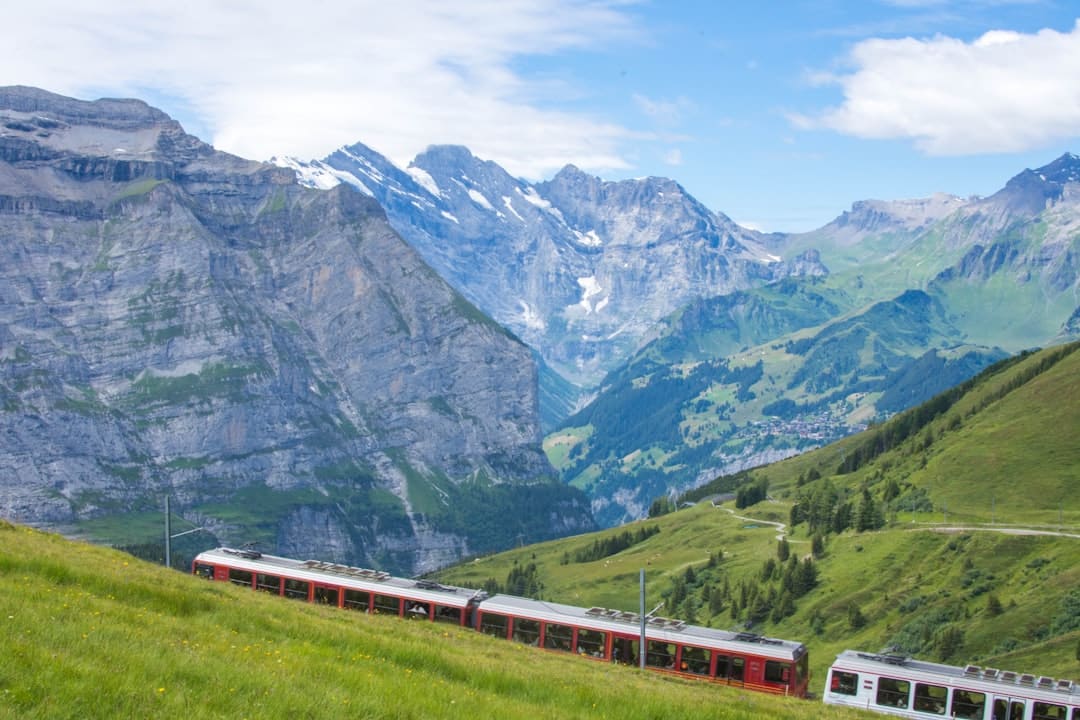
Pick The Pass That Matches Your Trip (Not Your Fantasy Route)
The biggest Interrail mistakes to avoid happen before you leave: buying a pass because it sounds flexible, then discovering your plan is built around trains that are reservation-heavy or already sold out. Start with a rough reality check: how many long-distance travel days do you truly need, and are you travelling in peak summer or shoulder season? A shorter, more focused route often beats a frantic “10 cities in 12 days” loop.
If you are a European resident you usually need Interrail; if you are not, you usually need Eurail. The practical difference for planning is that the products look similar, but eligibility rules differ, so confirm on the official Interrail/Eurail sites before purchase. Also decide whether a continuous pass (travel most days) or a flexi pass (a set number of travel days within a month or two) fits your rhythm. Flexi passes work well if you plan to stop for 2–4 nights in each place and do local day trips.
Interrail first class vs second class is mainly about space and quiet rather than “luxury”. Second class is perfectly workable for most travellers and keeps costs down. First class can be worth considering if you’ll do many long journeys, want a higher chance of finding a calm seat to work, or you’re travelling at busy times when second class can feel cramped.
- Estimate your long-distance travel days first; let that drive the pass type.
- If you plan to travel most days, continuous can be simpler than tracking flexi days.
- If you plan to stay longer in each city, flexi often gives better value and less fatigue.
- Consider first class for comfort on long hops; choose second class for value and sociability.
- Check eligibility early: Interrail is generally for European residents; Eurail is generally for non-residents.
A simple value test
Understand Travel Days, Activation And The Home-Country Catch
Interrail pass tips and tricks are mostly about avoiding admin friction. A “travel day” normally runs from 00:00 to 23:59 local time, and you can take multiple trains within that period on days you choose to travel. That means chaining several regional trains in one day can be great value—especially if you are using them as a back-up when a high-speed service sells out.
If you use a mobile pass, you typically activate it in the Rail Planner app and add journeys to your pass before boarding. Build a habit: add the journey while you have signal (station Wi‑Fi or data) and keep your pass easy to access in case you’re in a tunnel when a conductor checks.
Be aware of limitations around travel in your country of residence (often referred to as “inbound/outbound” travel days for Interrail travellers). Many first-timers assume they can freely criss-cross their home network for weeks; in practice, you usually get limited travel in your country of residence as part of the pass rules. Check the current wording on Interrail/Eurail before you lock in a route that depends on multiple home-country legs.
- Treat each travel day as a “bundle”: do multiple trains on one day when it helps.
- Add journeys to your pass before boarding; don’t wait until the train is moving.
- Keep the Rail Planner app updated and your pass accessible offline where possible.
- Double-check your home-country rule so you don’t accidentally plan invalid travel.
- Build in buffer time: delays and last-minute platform changes happen everywhere.
Don’t assume the pass equals a ticket
Seat Reservations: The Make-Or-Break Skill For Interrailing
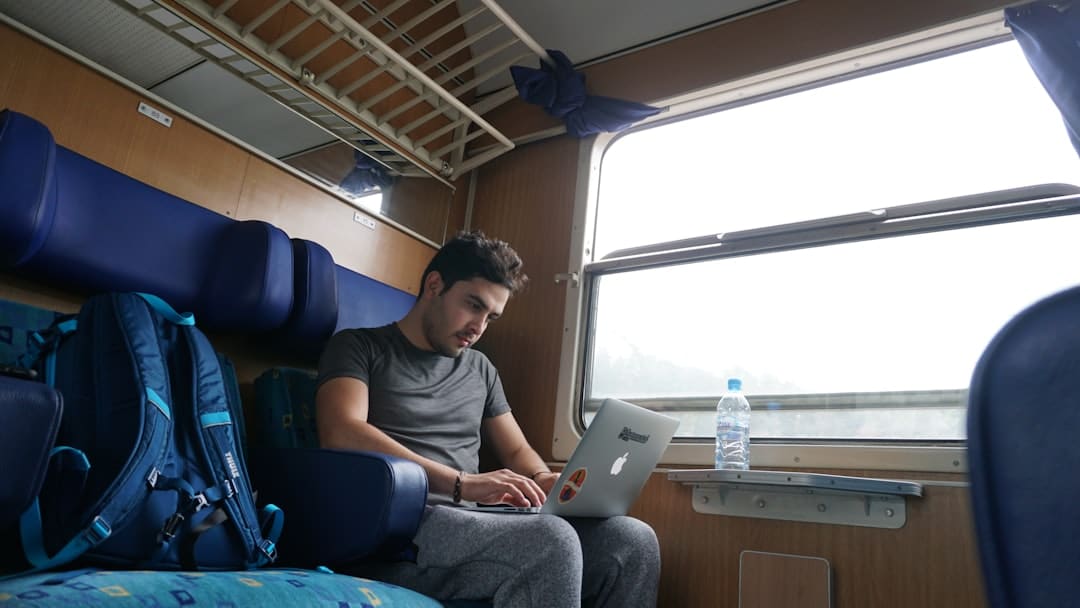
Interrail seat reservations advice is where a trip can go from effortless to frustrating. As a rule, many regional and local trains are reservation-free, while a lot of high-speed services and all night trains require a reservation that costs extra. Requirements also vary by country and operator, so always verify each specific train rather than relying on general rules of thumb.
Expect reservation-heavy networks in places like France, Italy and Spain, and on cross-border high-speed routes. Popular services can have limited passholder quotas and sell out. Interrail itself highlights Eurostar as an example where reservations are mandatory and availability for passholders is limited, with seats typically released months ahead. The same “book when your plan is stable” mindset applies to other popular routes.
A practical reservations strategy is to split your trip into two layers: lock in a handful of “critical” legs you must catch (overnight services, Eurostar, a long high-speed hop on a specific day), and keep the rest flexible with reservation-free alternatives. If a high-speed option is sold out, regional trains can often still get you there the same day—just slower and with more changes. In Rail Planner, use filters such as “no seat reservation” to find these fallbacks.
- Check each train in Rail Planner to see if a reservation is required.
- Book “critical legs” early; keep non-critical days flexible.
- Use regional trains to reduce fees and avoid quotas when possible.
- Treat night trains as accommodation plus transport: reserve early.
- For cross-border high-speed (e.g., London–Paris), expect quotas and plan ahead.
Where to book
Route Planning That Stays Flexible (And Actually Works)
The best interrailing itinerary tips focus on pace. A common beginner error is underestimating how much time station transfers, finding accommodation and doing basic life admin takes. For a first trip, aim for fewer bases with deeper stays: it reduces stress, cuts the number of reservation decisions, and makes delays less disruptive.
A good rule for Interrail 2 weeks route tips is to plan 3–5 bases, with at least one “breather” stop where you stay three nights. For a month, 7–10 bases is often plenty if you include slower travel days. Use big rail hubs as launchpads for day trips: you can see smaller places without dragging your luggage everywhere.
When choosing the best countries for Interrail, think in terms of rail ease rather than hype. Countries with frequent regional services can be brilliant for passholders who want flexibility. If your dream is France/Spain/Italy in peak summer, you can still do it—just accept that reservations are part of the plan and build in alternates. Use the Interrail Trip Planner or map tools to sanity-check journey times, border crossings and how often trains actually run on your intended days.
- Fewer bases, longer stays: you’ll see more and stress less.
- Build one “buffer day” every 5–7 days for rest or catch-up.
- Choose a mix of hubs and smaller places to balance convenience and character.
- Avoid one-night stops unless the city is genuinely a quick look.
- Keep at least one reservation-free route option in your back pocket.
Three sample route shapes (2 weeks)
Rail Planner, Operator Apps And The Day-Of Travel Routine
Interrail app planner tips are not about fancy features—they’re about reliability. Use Rail Planner as your single source of truth for your pass and a fast way to check whether reservations are required. But for disruptions, platform updates and live running, operator apps and station boards can be more current in some countries. If you’re making a tight connection, trust what staff and the board say over an old screenshot.
Develop a “two-check” habit on travel mornings: (1) confirm your train is running and whether your platform has changed, then (2) confirm you have what you need to board (active travel day, added journey, reservation if required, and any ID documents). This habit prevents the classic stressful moment of trying to generate a barcode as the whistle blows.
When connections matter, avoid the shortest transfer the app offers—especially in large stations. Delays happen; Interrail itself advises allowing more time than you think for transfers. If you’re travelling with friends, agree a simple meeting rule for stations (for example, “if we get separated, meet under the main departures board in 10 minutes”).
- Use Rail Planner for pass management; use operator apps/boards for live updates.
- Take screenshots of essential details, but re-check live on the day.
- Pad connections in big hubs; don’t rely on ultra-short transfers.
- Add journeys and open reservations before you walk to the platform.
- Know the local station name: some cities have multiple main stations.
Day-of-travel mini checklist
Pack Light, Ride Smarter: Comfort, Luggage And Night Trains
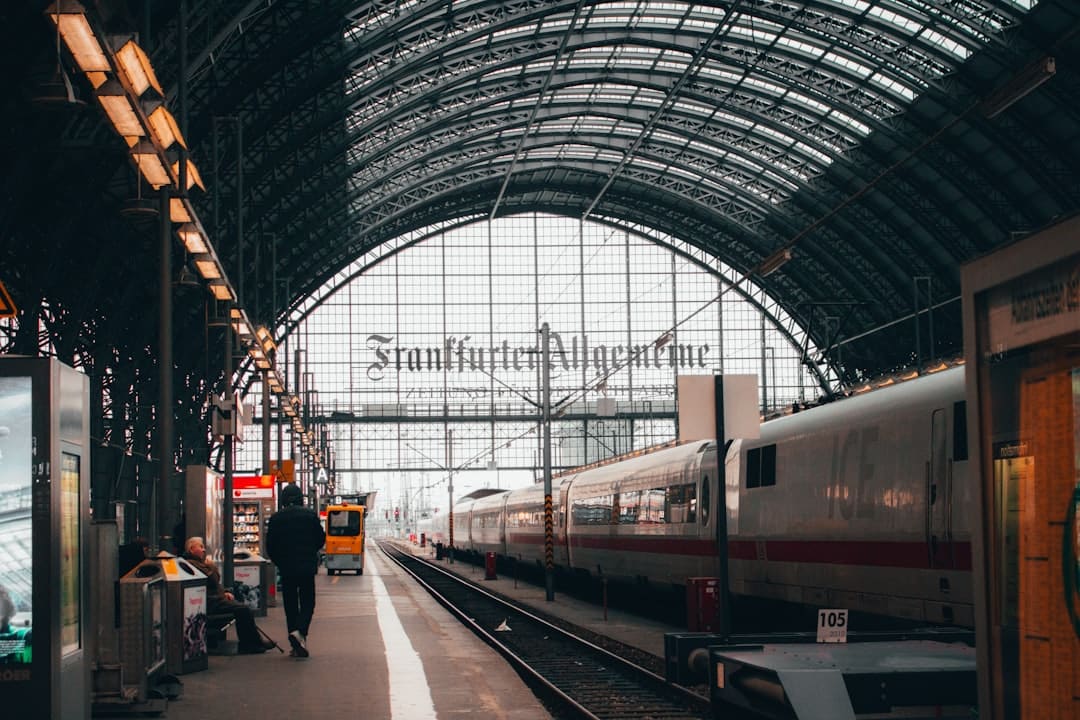
If there is one Interrail travel hack packing list rule that beats all others, it’s this: pack so you can lift your bag into an overhead rack and walk up stairs without help. You’ll do it repeatedly—often in a hurry. Interrail’s own first-time guidance stresses packing as lightly as possible, and it’s not just comfort: lighter luggage makes you quicker in stations and less of a target for opportunistic theft.
On trains, keep essentials on you (passport/ID, bank card, phone, charger, any medication) and treat your main bag like you would on a coach: stored near you, zipped, with a small cable lock if you’re sleeping. For long days, bring food you actually want to eat: station options vary wildly in price and quality, and you can lose time hunting for something between connections.
Interrail night train tips are about expectations. Night trains can be excellent value when they replace a hotel night, but you must factor in reservation costs and availability. Book early, choose the right accommodation type (seat, couchette or sleeper), and plan for a shower stop the next morning—either at your accommodation or a station facility if available. If you’re a light sleeper, a simple sleep kit (earplugs and an eye mask) can be the difference between arriving fresh and arriving frazzled.
- Earplugs and eye mask for early departures and night trains
- Lightweight microfibre towel for hostels and beach days
- Small padlock for hostel lockers
- Portable battery pack for long travel days
- A thin layer for air-conditioned high-speed trains
- Aim for one main bag plus a small day bag you can keep on you.
- Wear your heaviest items (shoes/jacket) on travel days to reduce pack weight.
- Carry a compact extension lead or multi-port charger for scarce sockets.
- Bring a refillable bottle and snacks for long legs and late arrivals.
- For night trains, reserve early and choose couchette/sleeper if you want proper rest.
Budget, Beds And Safety: Where Trips Usually Go Off Track
Interrail budget tips work best when you separate fixed costs from variable costs. Your fixed costs are the pass (and any key reservations you know you’ll need). Your variables are accommodation, local transport, food, attractions and the “oops” spending that comes from arriving late or missing a connection. Set a daily range you can live with, then add a contingency pot for reservations, higher summer hostel prices and the occasional taxi when you arrive after midnight.
Accommodation is the other pressure point. In popular cities and peak season, hostels and good-value hotels can sell out well ahead of time. The balance to aim for is “book enough to protect the route, keep enough free to stay flexible”. For first-timers, booking the first few nights and any festival/weekend hotspots is a sensible baseline. If you are travelling as a couple or group, apartments can be good value, but check check-in rules carefully—late arrivals can cost you.
Interrail safety tips in Europe are mostly common-sense city travel habits, but stations create specific risks: busy ticket halls, people brushing past, and tired travellers distracted by screens. Keep your phone use deliberate, not constant; avoid leaving bags unattended “for a second”; and be cautious with anyone who pressures you to act quickly. If something feels off, step back towards staff, a shop counter or a well-lit area and reassess.
- Planning a peak-summer route with no reservation budget
- Relying on last-minute Eurostar/TGV/AVE availability
- One-night stops that force you to repack daily
- Tight transfers in huge stations when you don’t know the layout
- Assuming every night train is cheaper than a hostel once fees are added
- Budget for reservations separately; they add up on reservation-heavy routes.
- Book ahead for summer weekends, festivals, and small towns with limited beds.
- Choose accommodation near a station only if the area is safe at night.
- Keep a “late arrival plan”: food option, route to accommodation, and backup contact.
- Use normal city precautions in stations: zipped bags, minimal distractions, clear boundaries.
Flexibility isn’t free
The most useful Europe interrailing tips for beginners come down to a calm, repeatable system: pick a route pace you can sustain, understand where reservations are mandatory, and build a simple day-of-travel routine. Do that, and you’ll spend far less time firefighting and far more time enjoying the parts of rail travel that are genuinely special—city centres to city centres, scenic stretches you can actually watch, and the freedom to change plans when you find somewhere you want to stay longer.
Treat every price and rule as something to double-check close to departure because rail networks and pass conditions change. If you keep your plan realistic, your bag light and your “critical legs” reserved, Interrailing becomes exactly what it should be: an efficient way to explore Europe at your own pace.